Triumph Trident 660: The 2026 update of the Trident 660 feels like Triumph quietly polishing something already solid instead of trying to reinvent the wheel—and honestly, that’s probably the right call.
The middleweight roadster comes across smoother, a bit more grown-up, with those small refinements in ride feel, detailing, and everyday comfort that you don’t always notice on paper but definitely feel when you’re actually riding it through real traffic and imperfect roads.
Triumph Trident 660 Launched 2026
It still keeps that easy, friendly character it’s known for, just now with a touch more refinement and “oh, this feels nicer than it needs to be” energy. Not flashy, not overdone—just a smarter, more usable version of itself that makes the daily ride less of a chore and more of a quiet little win.
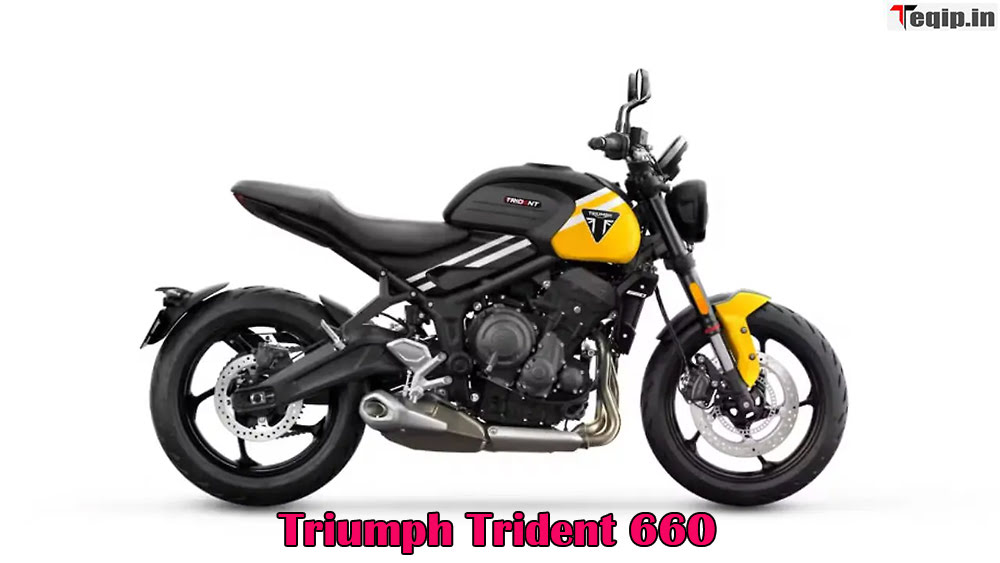
Triumph Trident 660 Features
|
Aspect |
Details |
|
Model |
Triumph Trident 660 |
|
Production Years |
2020–Present |
|
Motorcycle Type |
Naked Roadster |
|
Engine |
660 cc Inline 3-Cylinder, DOHC, Liquid-Cooled |
|
Engine Capacity |
660 cc |
|
Cooling System |
Liquid-Cooled |
|
Fuel System |
Multipoint Sequential Electronic Fuel Injection |
|
Maximum Power |
81 hp (60 kW) @ 10,250 rpm |
|
Maximum Torque |
64 Nm (47 lb-ft) @ 6,250 rpm |
|
Transmission |
6-Speed Manual |
|
Final Drive |
X-Ring Chain |
|
Frame |
Tubular Steel Perimeter Frame |
|
Front Suspension |
Showa 41 mm USD SFF-BP Forks |
|
Rear Suspension |
Showa Monoshock with Preload Adjustment |
|
Front Brake |
Twin 310 mm Discs, Nissin Calipers, ABS |
|
Rear Brake |
Single 255 mm Disc, Nissin Caliper, ABS |
|
Fuel Capacity |
14 L (3.7 US gal) |
|
Seat Height |
805 mm |
|
Wheelbase |
1,401 mm |
|
Wet Weight |
189–190 kg |
|
Top Speed |
Approx. 210–215 km/h (130–134 mph) |
|
Electronics |
Ride-by-Wire, ABS, Traction Control, TFT Display, Riding Modes (Road/Rain/Sport on newer models) |
|
Key Features |
Triple-cylinder character, beginner-friendly ergonomics, lightweight handling, modern electronics package |
|
Main Rivals |
Yamaha MT-07, Honda CB650R, Kawasaki Z650, Suzuki GSX-8S |
Trident 660 Key Highlights
| Engine Capacity | 660 cc |
| Mileage – ARAI | 15 kmpl |
| Transmission | 6 Speed Manual |
| Kerb Weight | 189 kg |
| Fuel Tank Capacity | 14 litres |
| Seat Height | 805 mm |
Clean Roadster Design with Premium Appeal
The 2026 Trident 660 isn’t trying to steal the spotlight, and that’s exactly why it works. It leans into that clean, no-nonsense Triumph roadster language—compact proportions, a fuel tank that looks properly sculpted instead of just styled, that familiar round LED headlamp, and a tail section that just wraps up neatly without any unnecessary drama.
There’s a kind of restraint here that feels almost deliberate, like the design was signed off right before it got overcooked. The fresh color choices add just enough visual spice without messing with its calm, understated personality. It’s simple, a bit nerdy in how controlled it feels, and has that rare quality of looking better the longer it sits in your head rather than fading away.
Refined Triple-Cylinder Engine Performance
The 2026 Trident 660 keeps that classic Triumph triple heartbeat, but it’s been tuned in a way that feels a bit more grown-up—like someone went in and quietly smoothed out the tiny rough patches without changing its personality. Power comes in clean and predictable, no sudden punches or drama, just a steady, almost calming build that makes crawling through city traffic surprisingly painless.
The throttle doesn’t get snappy or moody either, which ends up mattering more than expected in daily riding. Out on the highway, that mid-range torque just sits there doing its thing, effortless and unbothered, while the improved vibration control makes the whole experience feel less “mechanical buzz” and more “relaxed hum in the background.” It’s not trying to impress with theatrics—just quietly gets on with the ride in a way that feels composed, slightly nerdy in its precision, and oddly reassuring.
Premium Features & Rider Technology
The 2026 Trident 660 quietly brings in a set of premium updates that feel more like thoughtful tweaks than flashy upgrades—and that’s honestly a relief. The focus is clearly on making the bike safer and more confidence-inspiring, but without drowning it in complicated tech that nobody asked for.
Everything feels a bit more intuitive, a bit more “just works” in the background, which is how it should be on a daily roadster. It’s the kind of update you don’t really obsess over in spec sheets, but notice later when riding feels a touch easier, a bit more secure, and less mentally demanding. Simple idea, clean execution, no unnecessary noise.
- Multiple riding modes for varied conditions
- Traction control system for added stability
- TFT instrument cluster with clear, modern layout
Triumph Trident 660 2026 Specifications
| Feature | Specification | Category | Details |
| Engine | Triple-Cylinder Petrol | Performance | Refined & Torque-Rich Output |
| Transmission | 6-Speed Manual | Control | Smooth & Precise Shifting |
| Electronics | Ride Modes, Traction Ctrl | Technology | Enhanced Rider Confidence |
| Styling | Naked Roadster | Design | Minimalist & Premium Look |
Ride Comfort & Handling
The 2026 Trident 660 just quietly nails the handling thing without trying to turn it into a marketing moment—no drama, just that easy balance that slowly builds trust after a few corners. The lightweight frame makes city cuts and tight U-turns feel almost too simple, like the bike is covering up rider errors out of pure politeness. Suspension sits in that “just right, don’t overthink it” zone—soft enough to deal with broken patches, but still sharp when the road opens up and gets a bit playful.
Daily rides stop feeling like routine and start slipping into this odd, relaxed rhythm where commuting doesn’t feel dead inside anymore; more like the bike is gently nudging things toward fun without making a big announcement about it.
Target Riders & Market Position
The 2026 Trident 660 slips in as that “logical but slightly emotional” upgrade for riders moving into the premium middleweight roadster space—nothing flashy, just quietly convincing. It works just as well for weekday traffic duty as it does when the road opens up and the throttle gets a bit more playful, almost like it understands both moods without complaint.
The build feels properly sorted too—clean, tight, and more premium than its price tag has any right to be, honestly. And in typical Triumph fashion, it stays that friendly entry point into the brand’s world, the kind of bike that doesn’t intimidate or overcomplicate things, but slowly wins you over with how right it feels in everyday life.
Trident 660 Pros and Cons
Pros
- Great seating ergonomics
- 660cc engine offers friendly performance
- Gets traction control system
Cons
- Ride quality is stiff
- Vibrations post 7500rpm
- Expensive to maintain
Final Verdict
The 2026 Trident 660 doesn’t really feel like Triumph tried to “reinvent” anything—and honestly, that’s kind of the point. It’s more like they went back, tightened a few bolts, smoothed out a few rough edges, and called it a day in the most confident way possible. The triple is a bit silkier now, not dramatically different but enough that it quietly grows on you in traffic or while just rolling along. Design-wise, it still keeps that clean, slightly no-nonsense roadster vibe—nothing flashy trying too hard, which is refreshing in a world full of overstyled machines.
The new tech bits are there, but they don’t scream for attention or turn the bike into a gadget parade, which honestly feels like a relief. On the road it’s easygoing, almost forgiving to the point where it stops feeling like a machine and starts feeling like a habit you don’t want to break—steady in city chaos, lazy and almost poetic on open stretches, and weirdly more likable the longer it sits with you.